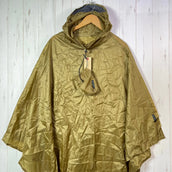
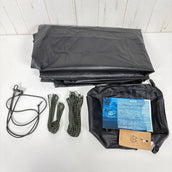
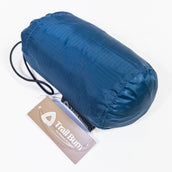
Collection: poncho
The main role of a poncho when hiking is to quickly and easily protect your body and belongings (especially your backpack) from sudden rain. Ponchos are highly breathable, easy to put on and take off by simply putting them over your head, and comfortable to wear because they don't get stuffy.
Advantages of ponchos: They are easy to put on and take off, so you can quickly respond to sudden rain.
- Highly breathable and less likely to get stuffy, reducing discomfort caused by sweat.
-Lightweight, compact and easy to carry.
- It can cover your backpack as well, so your belongings are less likely to get wet.
Disadvantages of ponchos: They are not sufficient to protect the lower body or feet from rain. The area below the knees is prone to getting wet, and there is a risk of hypothermia.
- It is easily blown around in windy environments and is not suitable for open areas such as ridges, high mountains or technical routes.
- It is not highly waterproof and is not suitable for heavy rain or bad weather.
-It can easily get caught on obstacles, so you need to be careful about its range of movement and the terrain.
A poncho is suitable for: Low-difficulty courses with little wind, such as forest areas and low mountains.
- For comfortable walking on long trails or when you don't want to get your backpack wet.
- Situations where sudden weather changes are expected and quick putting on and taking off is required.
Summary: Ponchos are useful for mountain climbing and hiking because they are easy to wear, don't get stuffy, and can cover your backpack, but they are inferior to separate rainwear in terms of waterproofing and wind resistance. It is important to choose the best rain gear for your purpose and the field of your mountain climbing.